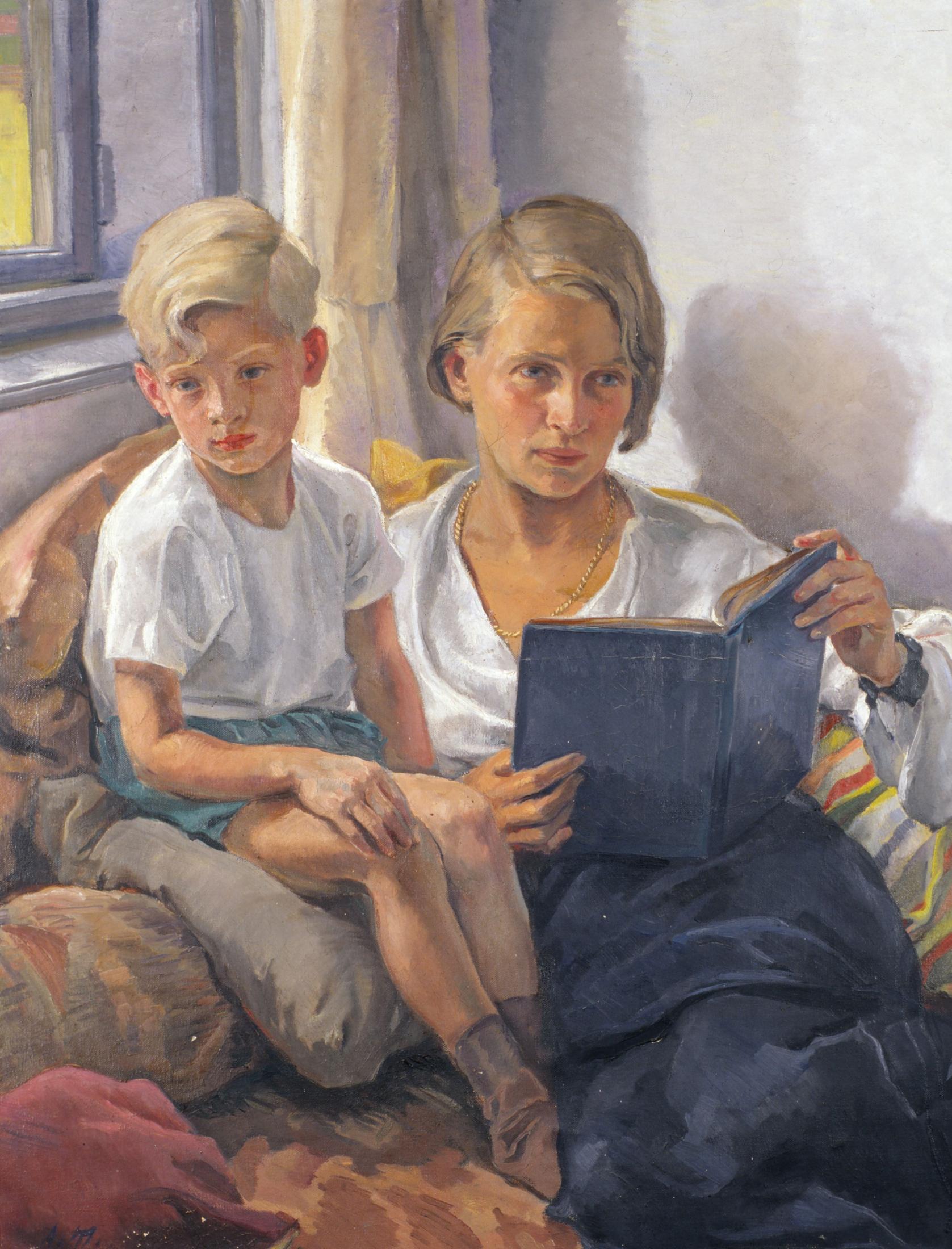

LOVE
In 2026 the Infeld Cultural Center in Dobrinj, Croatia will celebrate its 25th anniversary. The “LOVE” exhibition reflects the diversity of the Infeld Collection.
As a universal human emotion, love is multifaceted, evolves over time, and continually offers artists fresh inspiration.
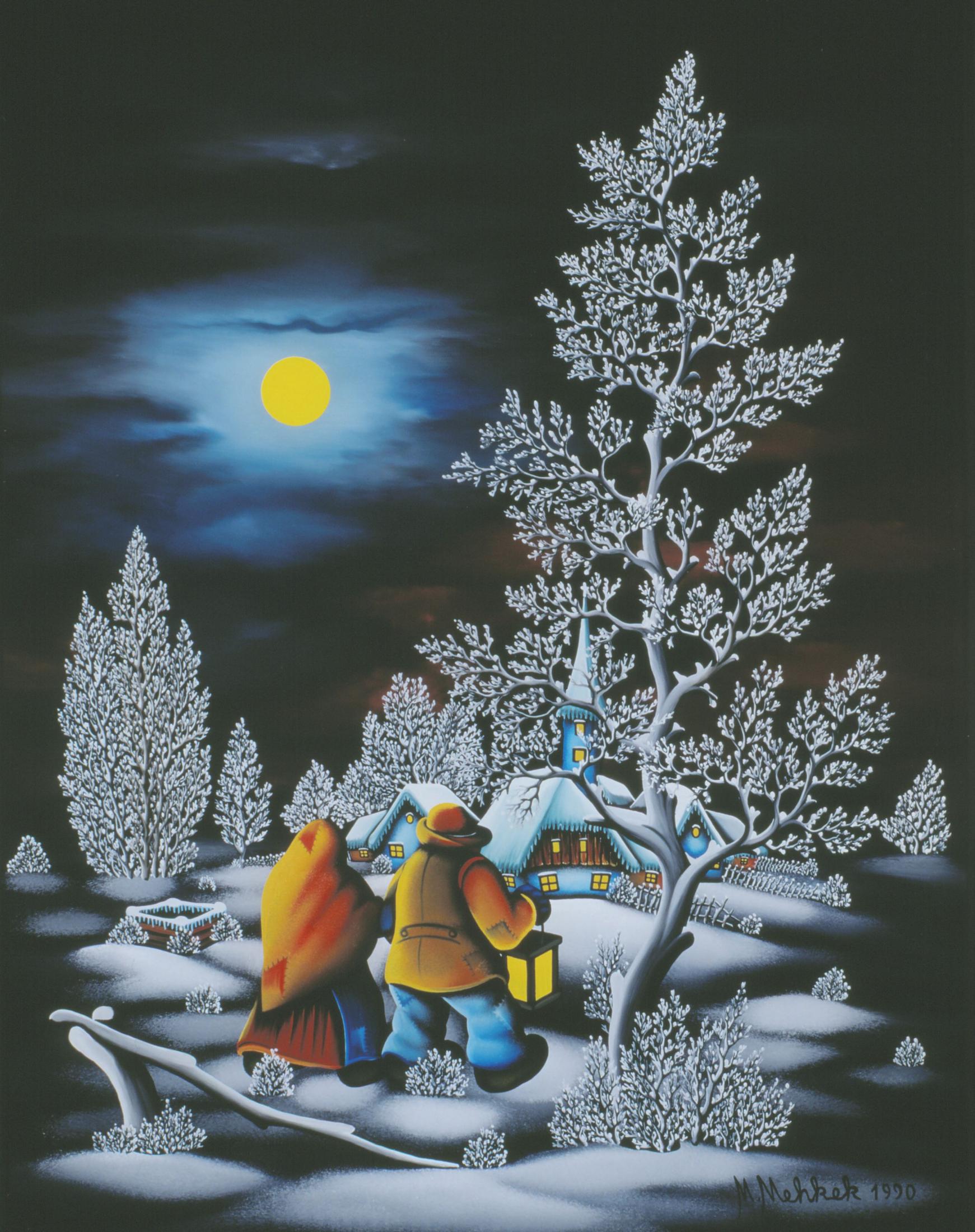
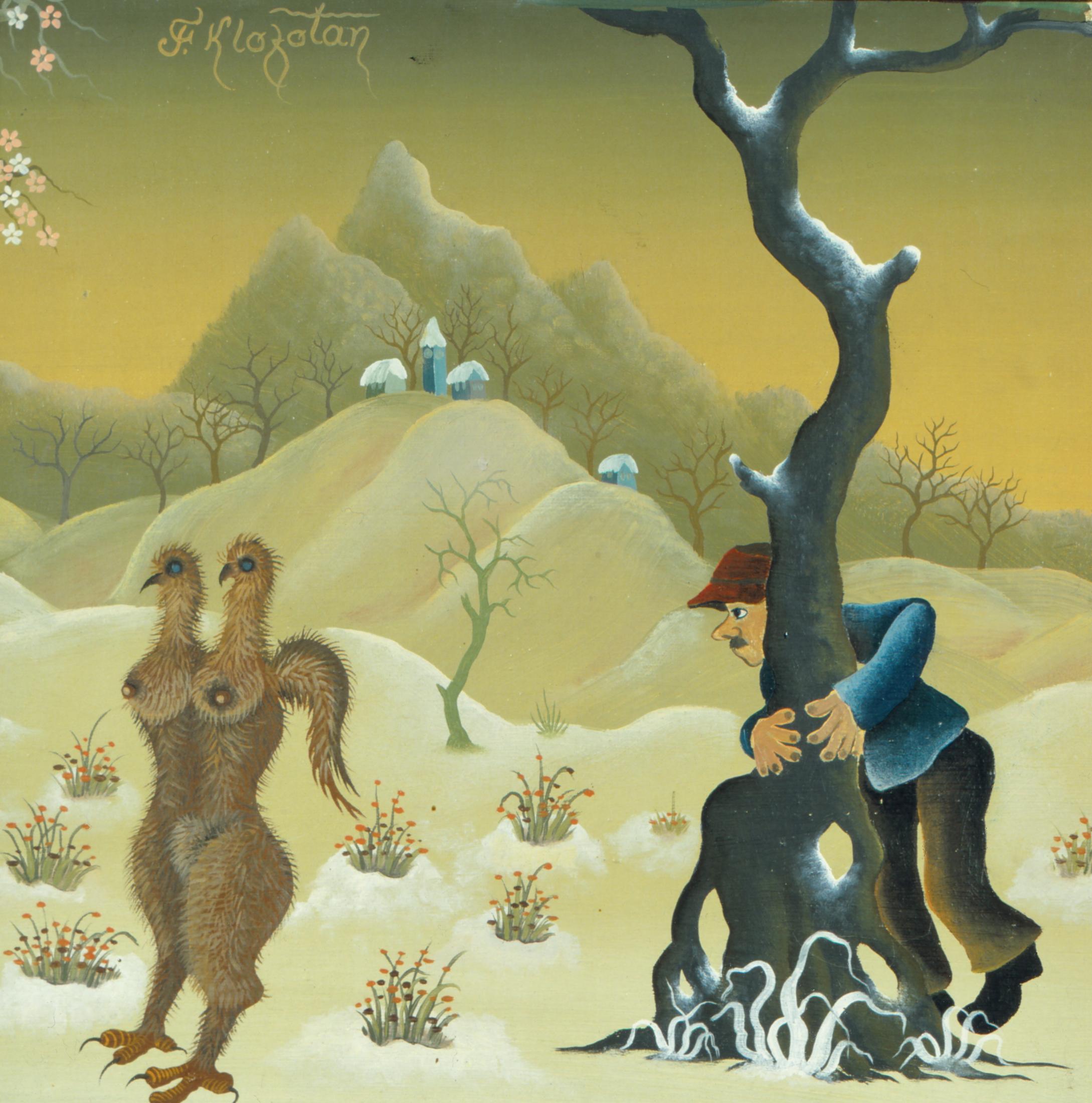
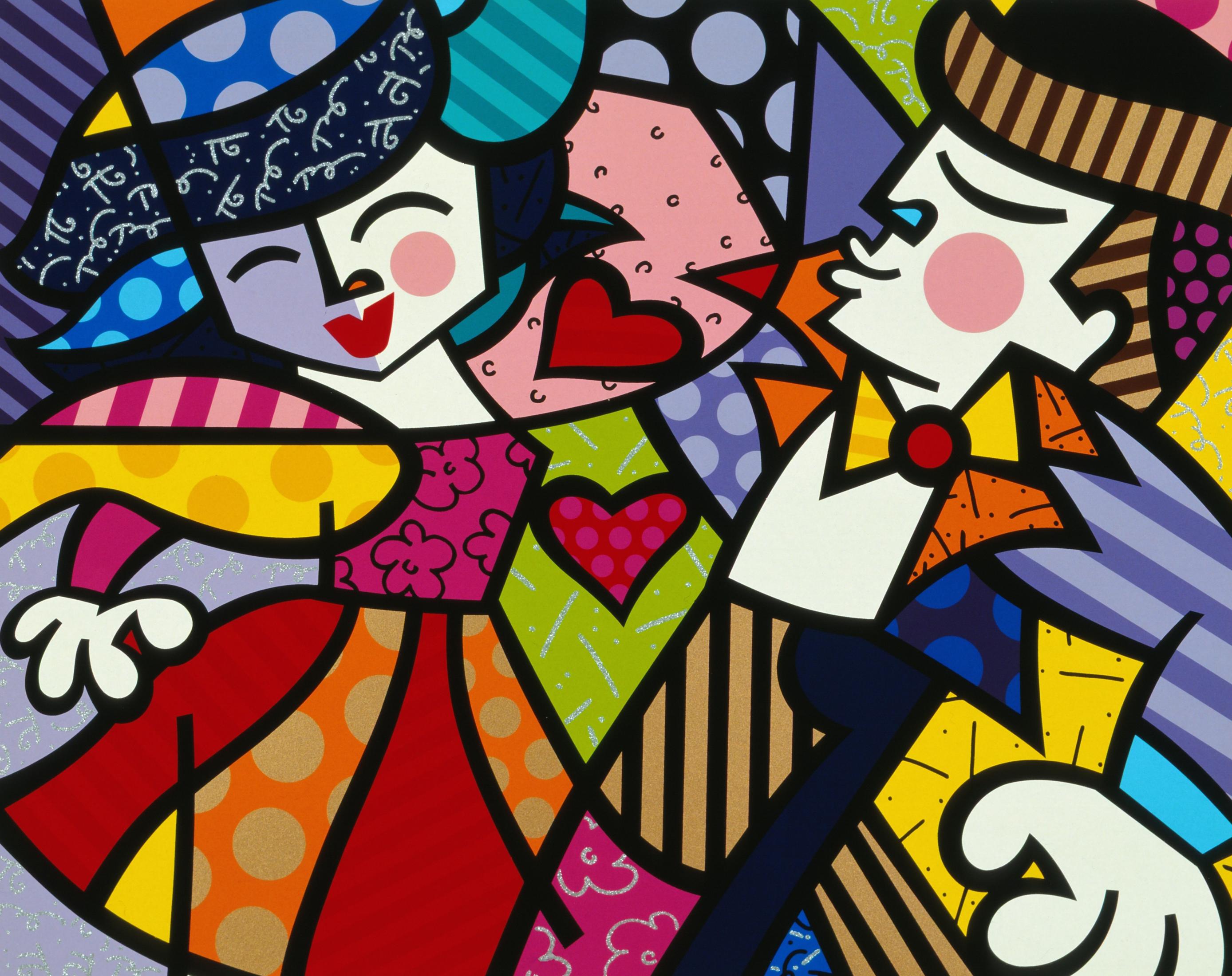
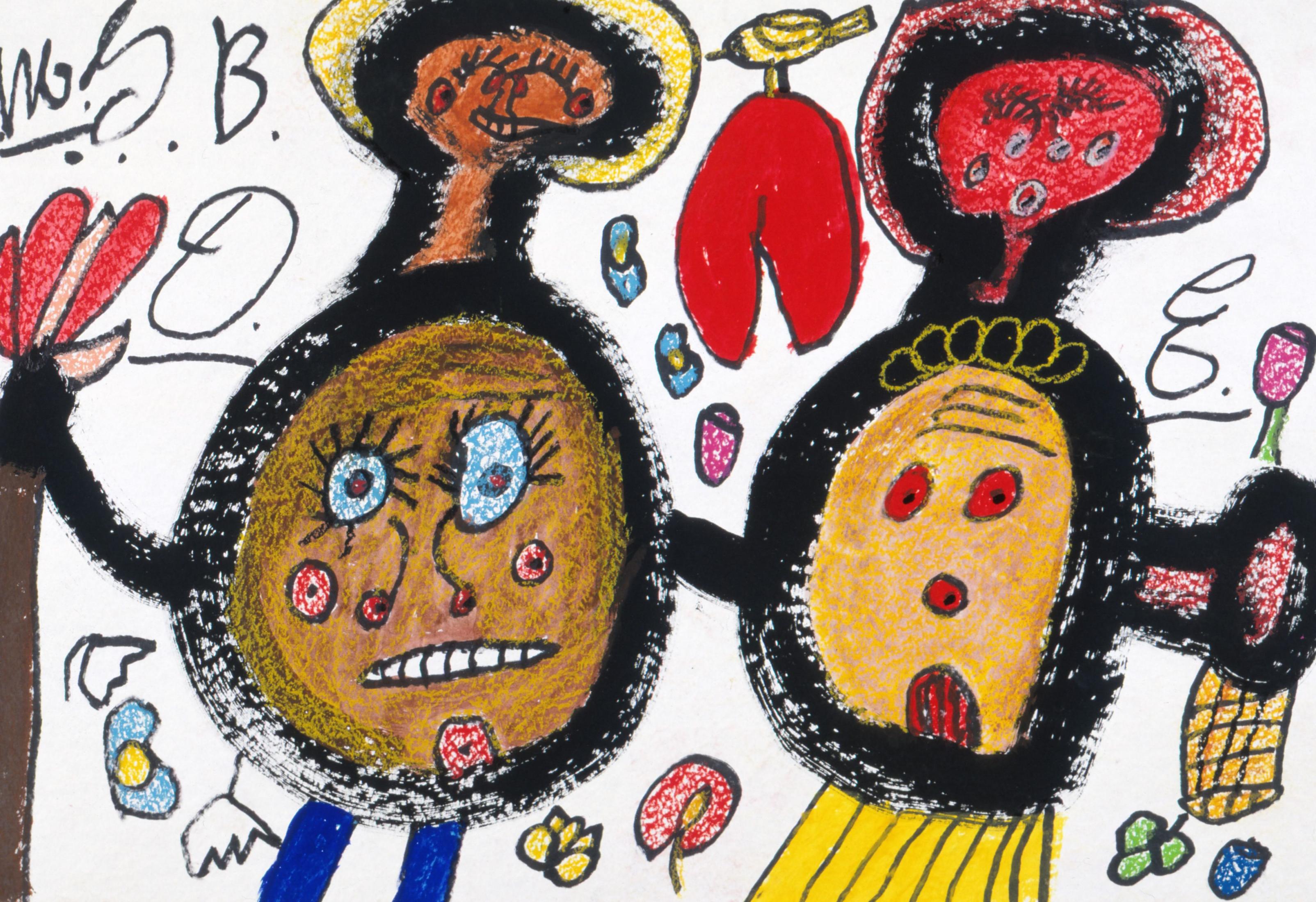
The exhibition at the Infeld Cultural Center traces the history of love from original sin to the quest for freedom. It features 120 works by female artists (Ursula Probst, Ida Buchmann, Nada Svegovic-Budaj, Mara Puskaric-Petras) and male artists (Ernst Fuchs, Allen Jones, Romero Britto, Franjo Klopotan, Johann Hauser, Friedrich Schröder-Sonnenstern), shedding light on key turning points in the history of love as well as the subtle nuances of tender affection.
In the biblical account of creation, love between man and woman comes to an unfortunate end. Eve’s seductive power was blamed for the Fall, and women subsequently became symbols of disobedience, such as Lot’s wife, who wistfully looks back at her destroyed hometown of Sodom and thereby disobeys God’s command. She is turned into a pillar of salt. Another example is Salome, who, through her dance, demands the death of John the Baptist and becomes a symbol of the ruin of human nature.
It was only after the Christianisation of Europe in the early Middle Ages that the stigmatisation of Eve was complemented by the image of woman as mother. Eve was held responsible for humanity’s expulsion from Paradise, while Mary, virgin and mother of Jesus Christ, reopened the gates of Paradise. Through this veneration, women gained their place at the side of their husbands.
In the Middle Ages, literature began to concern itself not only with the relationship to God but also with human emotions. From the 12th to the 15th century, minnesingers entertained courtly society with songs of love. The protagonists were noble knights who actively wooed the hearts of their beloved ladies, hoping to be rewarded with a kiss.
In the 15th century, the game of chess exemplified this courtly culture: only a few pieces could demonstrate pronounced creative and strategic thinking and, by adhering to strict rules, eliminate the most powerful figure in the game – the queen.
The enduring link between pleasure and love has always hinted at difficulties. The pursuit of pleasure was replaced, with the help of literature, music and art, by love as a feeling. Marriages based on love began to displace arranged unions calculated on economic grounds.
As social constraints loosened, marriage for love became accepted in the 19th century. It took another century before both partners were regarded as equal shapers of their relationship. The pursuit of happiness, and the opportunity for each individual to become the master of their own story, led to the idea of free love, with the aim of dissolving conventional structures, beginning with marriage.
Is there a happy ending in the history of love? At the exhibition at the Infeld Cultural Centre, each visitor is invited to reflect on the question in the light of their own experience.
The Infeld Collection
Peter Infeld (1942-2009) and his mother Margaretha Infeld (1904-1994) began to collect art in the mid-1960s.
The Vienna School of Fantastic Realism, naive art from Croatia, Pop Art, Buddhist meditation paintings from Tibet (so-called "Thangkas") and Art Brut are the main focus of the Infeld collection. In order to make the works accessible to a broader public, patron of arts Peter Infeld has built representative cultural centers in Halbturn in Burgenland and in the idyllic village of Dobrinj on the Croatian island of Krk. In total, more than 120 exhibitions were held free of charge at both locations.
The company Thomastik-Infeld GmbH
The traditional Viennese company Thomastik-Infeld is one of the three most important string producers worldwide. The company produces around 3000 different strings and is the world market leader in some areas. The strings have been handmade.
Founded in 1919, the company had 20 employees after the Second World War. To date, this number has increased tenfold. Exports go to more than 95 countries. Following the death of Peter Infeld in 2009, his widow, Croatian-born Zdenka Infeld, continues the family's long business and art collecting tradition.
Exhibition dates
Duration: The exhibition "LOVE” can be seen from July 5 to September 27, 2026.
Venue: Infeld Cultural Center, Dobrinj, Island of Krk, Croatia
Opening hours: Open daily except Monday
July and August - 10 a.m. to 1 p.m. and 6 p.m. to 10 p.m.
September – 10 a.m. to 1. p.m. and 5 p.m. to 9 p.m.
Free admission
Works: Approx. 120 oil and acrylic paintings, drawings and sculptures
Inquiries:
Dr. Yordanka Weiss
Curator of the Infeld collection
Mobile: + 43 664 465 66 66
Phone: + 43 1 545 80 46
Email: [email protected]
www.infeld.net
Press Photos