

Movement
Dramatic gestures, running, jumping and dancing figures: the depiction of movement is a central theme in art. It has existed ever since humans developed the need to capture their thoughts, emotions and experiences visually.
Works ranging from prehistoric hunting scenes on the rock walls of caves and grottos to the present day are regarded as a static art form. Creating the illusion of something nonexistent challenges artists to find a way to overcome the rigidity of the subject on the canvas. The depiction of a single frame from a sequence of movement suggests the illusion of motion and encourages viewers to mentally complete the sequence. Skilfully chosen curved postures and shimmering brushstrokes create the impression of physical movement. Colour, light and composition generate dynamic vitality.
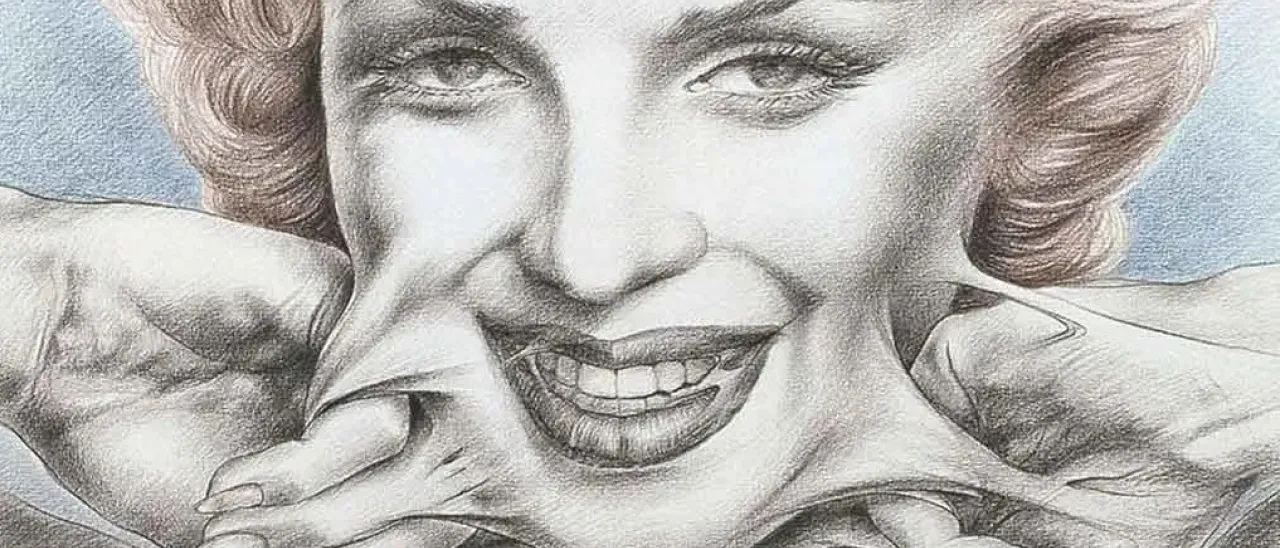
With works by Jelena Đurić, Michael Hedwig, Dimitrije Popović and Duško Šibl, the exhibition at the Infeld House of Culture in Halbturn brings together multifaceted depictions of powerful bodily movement, inner movement of the mind and the movement of energy.
Duško Šibl (Croatia) is fascinated by the human body in motion. His figures dance energetically through space and time, as though their movements had been broken down into individual parts and precisely reassembled. On the canvas, we encounter something alive that reveals the beauty of the human body.
Michael Hedwig (Austria) regards the human body as a carrier of energies and usual-ly depicts it in groups of figures. In interaction with others, those social patterns emerge in which the soul finds scope for its development. Sometimes gravity remains suspended, creating a particular tension.
Dimitrije Popović (Montenegro/Croatia) also captures this vibrant tension of intellec-tual exchange. His intense, moving dialogue with Franz Kafka, Salvador Dali or Sigmund Freud makes the imaginary an aspect of reality that can be experienced and interpreted in different artistic and aesthetic ways.
Flowing energy takes form in the works of Jelena Đurić (Serbia). Freed from figurative representation, nourished by spontaneity and emotional intensity, her works pulsate through the effect of colour and the vibrating lines. The painting ceases to be a static repository of thought and becomes a living organism, remaining in constant motion and in an interplay between the visible and the invisible.

