
FLOWERS
Flowers accompany us in our everyday lives, appeal to our senses and carry memories and emotions. Flowers have a profound influence on interpersonal relationships and are relevant to commerce and cuisine. The FLOWERS exhibition invites us to rediscover the beauty, diversity and significance of the world of flowers.
It is difficult to determine the exact number of flower species, but it is estimated that there are more than 400,000 different flowers worldwide. Orchids are among the largest flower families, with approximately 25,000 varieties. There are more than 11,000 different flower species in Europe.
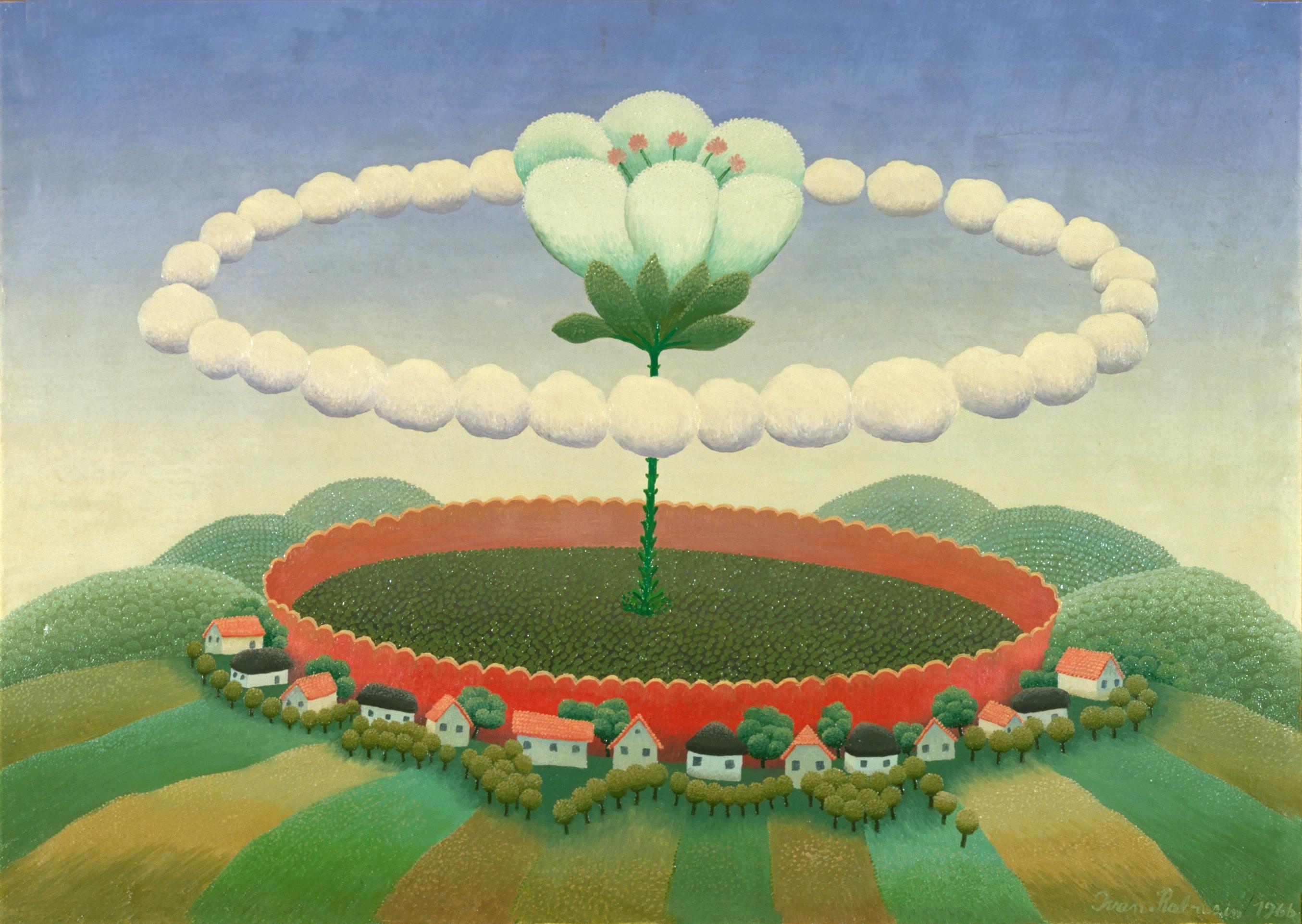
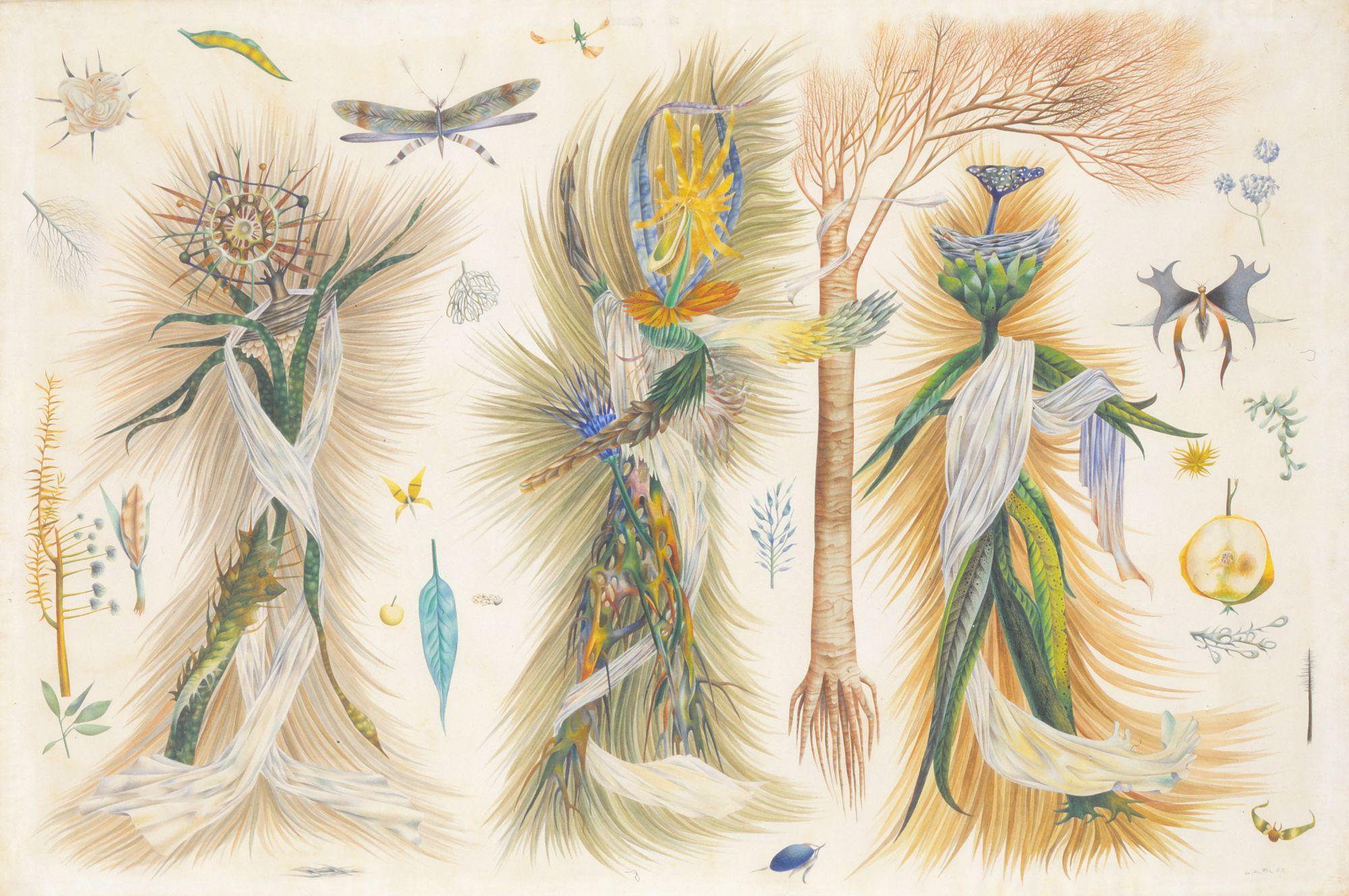
Throughout history, flowers, each a labyrinth of forms and colours, have inspired artists. The exhibition explores the many different ways in which they can be depicted, as well as their omnipresence in our culture today.
Beyond the exploration of their inherent beauty and drama, flowers also serve as symbols of human emotions. The plant world lies at the heart of myths and legends that shape our cultural understanding. As incomparable beauties of nature, they inspire artists to harness their power and aesthetics to convey a wide range of messages. This creates a moving dialogue between humanity, nature and art that captures individual stories, collective traditions and the human desire for beauty and remembrance.
Flowers play an important role in religion. In the Christian tradition, they carry messages of faith, purity and resurrection. Lilies represent innocence and are a symbol of the Virgin Mary. Red roses represent divine love and the sacrifice of Christ, while white roses represent purity and holiness.
In Buddhism, a flower mandala combines the symbolic power of the circle with nature and represents harmony, beauty and the unfolding of one’s own personality. The flowers signify life, change, purity and the natural cycle of becoming and passing away. The centre of the mandala directs the gaze inwards and helps to find tranquillity and become centred within oneself. The lotus flower appears particularly often: it is regarded as a symbol of purity, wisdom and the path to enlightenment, as it rises from the muddy ground.
With approximately 120 works of art, the FLOWERS exhibition offers a poetic, sensory experience and a floral memento of the great blossoming beauty that surrounds us.
The Infeld Collection
Peter Infeld (1942-2009) and his mother Margaretha Infeld (1904-1994) began to collect art in the mid-1960s.
The Vienna School of Fantastic Realism, naive art from Croatia, Pop Art, Buddhist meditation paintings from Tibet (so-called "Thangkas") and Art Brut are the main focus of the Infeld collection. In order to make the works accessible to a broader public, patron of arts Peter Infeld has built representative cultural centers in Halbturn in Burgenland and in the idyllic village of Dobrinj on the Croatian island of Krk. In total, more than 130 exhibitions were held free of charge at both locations.
The company Thomastik-Infeld GmbH
The traditional Viennese company Thomastik-Infeld is one of the three most important string producers worldwide. The company produces around 3000 different strings and is the world market leader in some areas. The strings have been handmade.
Founded in 1919, the company had 20 employees after the Second World War. To date, this number has increased tenfold. Exports go to more than 95 countries. Following the death of Peter Infeld in 2009, his widow, Croatian-born Zdenka Infeld, continues the family's long business and art collecting tradition.
Press Photos